FOR GRADE 7-12 STUDENTS · ONLINE · 1:1 WITH EXPERT MENTORS
STEM mentorship to help students build impactful projects
Makedemia matches students with mentors from MIT, Oxford, and other leading institutions. Students turn their interest into a finished prototype, research study, app or venture. Built by the student, guided by the mentor.
Matched 1:1 with one of our mentors
What students finish with
Our mentors have studied and worked at














WHY PROJECT MATTERS
One real project beats eight clubs
Two real Stanford applicants. The one with the lower GPA and SAT score was admitted, because of one deep, real project.
✕ Rejected by Stanford
Perfect grades, a long list
✓ Admitted to Stanford
Lower scores, one real project
“An exceptional depth of experience in one or two activities may demonstrate your passion…”
Stanford Undergraduate Admission, Admission Overview
“You shouldn’t just enjoy thinking, you should also enjoy doing.”
MIT Admissions, “What we look for”
Why Makedemia
Everything around the mentor session that keeps a project moving to the finish.
The right mentor for the project
We match by field, the tools the project needs, and what the mentor has actually built.
A written plan from day one
The Blueprint Session ends with a clear plan you can read and keep.
Parents always know the progress
Short updates after sessions and a monthly report on Core programs.
JAN The Earth Prize 2027
Plan starts 8 weeks before the deadline
Competitions planned backwards
We track deadlines across 120+ competitions and time the project to fit.
Work the world can see
Every finished project gets a video, a page and an audience.
Safe by design
Mentors sign a safeguarding code, and Makedemia is in every chat.
WHAT'S POSSIBLE
What high-schoolers build
Real projects by high-school students that won at the world's top competitions.
Southeast Asian schools win too: a team from Chiangrai, Thailand earned a Second Award at Regeneron ISEF 2025. Results as published by each organiser; They are not Makedemia students; they show the level a focused teenager can reach.
Mentors
After your free call, we match each student with the mentor who best fits their interests, goals and project, and confirm the match before the first session. Each profile lists the tools the mentor works with and something they have built.
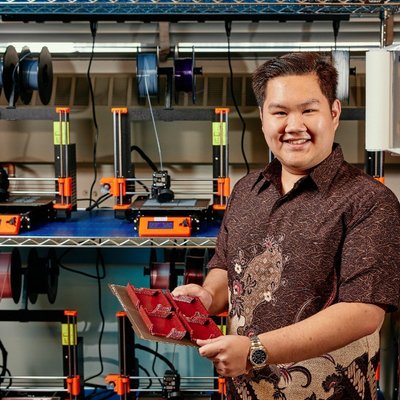
Russel Bradley
PhD candidate, MIT Mechanical Engineering. Co-founder of MIT FrED Factory, a hands-on manufacturing education program. MIT Graduate Teaching Award. Bachelor's in Mechanical Engineering at NUS.
Engineering · robotics · manufacturing
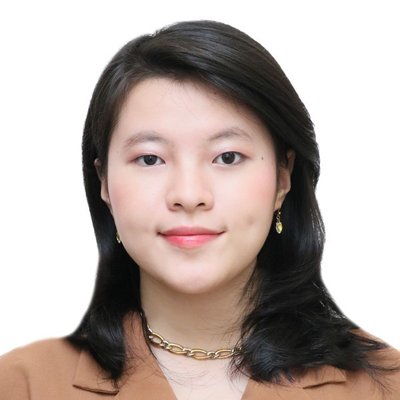
Gabriela Erin Mariangel
Bachelor's and Master's in Computational Biology, MIT. Research at The Netherlands Cancer Institute. International math olympiad medallist.
AI & data · computational biology · math
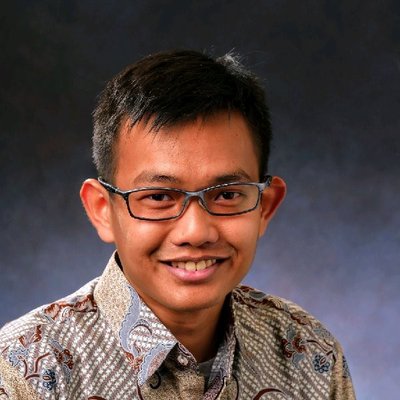
Apresio Kefin Fajrial
R&D Engineer at Atomos Systems in Colorado, previously at Intel. PhD in Mechanical Engineering, University of Colorado Boulder, with published research on biomedical microdevices.
Scientific research · microfluidics · lab builds

Muhammad Farras
Co-founder and CEO of Akar, building modular vertical farms with AI and IoT for food security in Indonesia. Bachelor's in Architecture and Civil Engineering, Korea University; Master's in Urban Design at Monash University.
Agritech · IoT · urban design · startups
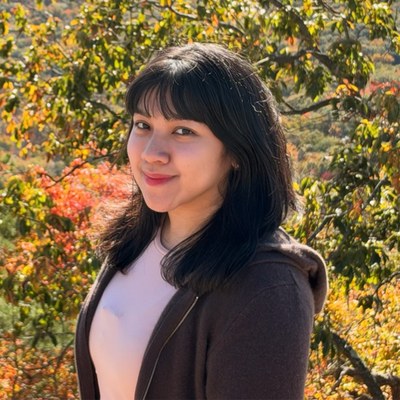
Marsya Chairuna
Senior Data Scientist at Bungie in NYC, working on game analytics and machine-learning forecasting; previously at Dentsu and Gojek. Master's in Applied Analytics, Columbia University; Bachelor's in Engineering Management, ITB.
Games · data science · machine learning
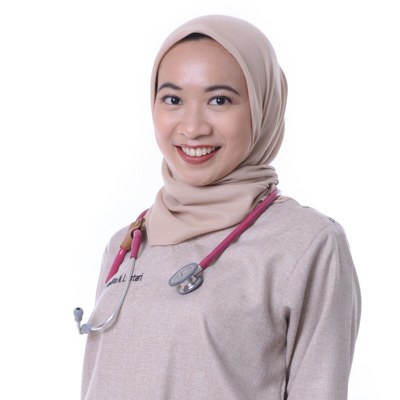
Avinindita Nura Lestari
Physician and medical genomics consultant at Genepica, and biocurator with the ClinGen Resource. Researched cardiomyopathy variants at the University of Oxford, where she completed her MSc as an OCIS scholar.
Genomics · medicine · biology research
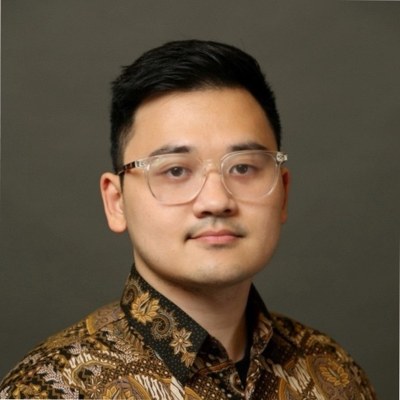
Haldrian Iriawan
PhD candidate in Materials Science & Engineering at MIT, researching electrochemical production of fertilizers and hydrogen. Named an Inflection Award awardee (2025) for early-career climate scientists. Former management consultant at McKinsey in Jakarta; MEng, Imperial College London.
Materials science · clean energy · chemistry
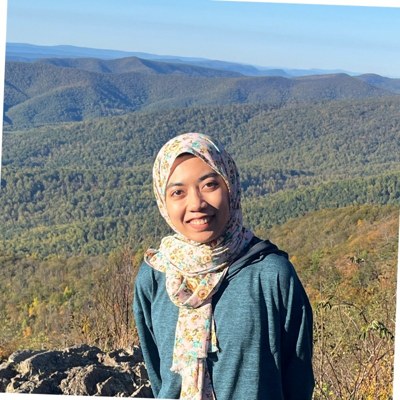
Deka Auliya Akbar
Software Engineer at Databricks in San Francisco, building data and AI platform infrastructure; previously at Traveloka, with internships at IBM and Google. Master's in Computer Science, Columbia University; Bachelor's in Computer Science, Nanyang Technological University.
Software engineering · AI & data platforms · coding

Fakhri Guniar
MIT Sloan MBA. CEO of SoluSEA Venture Labs, a deep tech venture labs translating scientific research into climate and healthcare startups in Southeast Asia. Bachelor's in Engineering Management, ITB.
Deep tech · entrepreneurship · venture building
University and employer names describe each mentor's own studies or work. Makedemia is not affiliated with or endorsed by these institutions.
How it works
Step 1
Free 30-minute call
Tell us about the student's interests and goals.
Makedemia does: listens, suggests a track and a program, and answers your questions.
Step 2
Mentor match & Blueprint Session
A 60-minute session with the matched mentor.
Makedemia does: confirms the match with you and sends a written project plan within 24 hours.
Step 3
Build with a mentor
Regular 1:1 sessions online; the student works independently in between.
Makedemia does: schedules sessions, sends written feedback and parent updates, and tracks milestones.
Step 4
Show it to the world
Demo Day, a portfolio page and, if the student chooses, a competition entry.
Makedemia does: times the work to the deadline and coaches the presentation.
Competitions you can aim for
We track 120+ competitions and plan each project backwards from its deadline. A few of the strongest in each track:
🔬 Science research
All sciences · via an affiliated fair
APRiGEM High School
Synthetic biology · team
FEB–APRStockholm Junior Water Prize
Water & environment · via a national round
APROPSI
Indonesia's national research olympiad
⚙️ Engineering & robotics
JUN–JULWorld Robot Olympiad
Robotics · Indonesia national round
SEPNASA Human Exploration Rover Challenge
Space engineering · team proposal
APRMATE ROV Competition
Underwater robotics · regional events
💻 AI, software & games
MAYTechnovation Girls
AI apps · ages 8–18
FEBApple Swift Student Challenge
Apps & games
MARpicoCTF
Cybersecurity · Carnegie Mellon
🌱 Entrepreneurship
JANDiamond Challenge
Business & social ventures · Univ. of Delaware
JANThe Earth Prize
Environmental solutions · ages 13–19
FEB–MAYFIKSI
Indonesia's national student venture festival
Orange badges are confirmed 2027 deadlines from each official site. Grey “Usually” badges show when the deadline fell in the last cycle; the 2027 date may move, so we confirm it on the official site before planning. Makedemia is not affiliated with these competitions.
Programs
Compare the formats. We'll recommend one, with prices, on your free call.
Every program starts with a Blueprint Session: 60 minutes with your matched mentor and a written project plan within 24 hours. You can also book it on its own; the fee is fully credited toward any program. Preparing for a team competition? Teams of 2–4 students can share one mentor; ask us on the free call.
| Build Sprint One focused project |
Core Lite Steady progress |
Most complete Core Pro Research & ambitious builds |
|
|---|---|---|---|
| Length | Up to 4 months | 6 months | 6 months |
| 1:1 sessions (60 min) | 8 | 6 | 12 |
| Written project plan | ✓ | ✓ | ✓ |
| Written feedback between sessions | ✓ | ✓ | ✓ |
| Parent report | Biweekly | Monthly | Monthly |
| Competition planning | ✓ | ✓ | ✓ |
| Demo Day & portfolio page | ✓ | ✓ | ✓ |
COMING SOON · OCTOBER 2027 · GRADES 9–11
Boston Deep-Tech Expedition
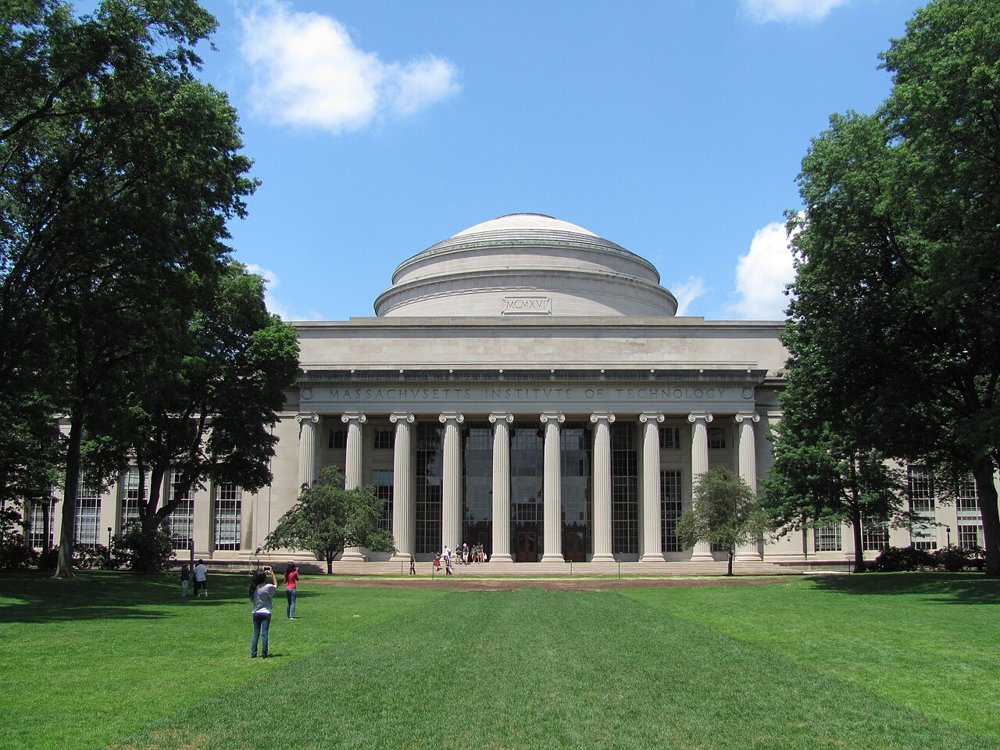
7 days in Cambridge, Boston and Somerville with our mentors: the MIT campus and a lab visit, deep-tech startup hubs such as The Engine, CIC Cambridge and Greentown Labs, a full maker day, a Harvard campus tour, and a final showcase where students pitch their prototypes.
Applications open January 2027 for 15–20 students. Visits are being confirmed with each host; tuition will be shared on your free call.
For parents
Safe by design
Mentors are identity-checked and sign a safeguarding code. Sessions run on Makedemia links. No private messaging: Makedemia is in every chat between mentor and student, and handles all communication with parents.
The student does the work
Mentors guide and give feedback; they never write or build the project.
You always know the progress
Short progress updates and a monthly report on Core programs.
Honest promises
We promise mentorship and a finished project if the student does the work. We never promise admissions, medals or publications.
Sample · Monthly parent report
Month 3 · River water-quality study
Next: analyse the data and draft the poster.
Example layout with sample data.
Frequently asked questions
What is Makedemia?
Makedemia is project-based mentoring for students aged 12–18. Each student is matched with a mentor and builds a real project in science, engineering, AI and software, or venture-building, in addition to school.
Is there a trial before we sign up?
Yes. Start with a free 30-minute call to talk about the student's interests and which program fits. The next step is a Blueprint Session, a 60-minute session with a mentor and a written project plan within 24 hours. It is fully credited toward any program you join.
What if the student doesn't know what to build yet?
Yes. The Blueprint Session is designed for this: the mentor helps find an idea that suits your child's interests and level.
Does it require prior coding or lab experience?
No. Projects are scoped to the student's level and grow from there.
What is the difference between Build Sprint, Core Lite and Core Pro?
Build Sprint is 8 one-on-one sessions finished within 4 months, best for one focused project. Core Lite and Core Pro run for 6 months with written feedback, a monthly parent report and competition planning. Core Lite has one session a month; Core Pro has one every two weeks and suits research and ambitious builds. We recommend one on your free call.
Who are the mentors, and how are students matched?
Our mentors are PhD candidates, graduates, and professionals who studied or worked at universities and companies such as MIT, Oxford, and Intel (see the mentor profiles above). After your free call and the Blueprint Session, we match the student with the mentor who best fits their interests, goals and project, and confirm the match with you.
Does Makedemia guarantee admission to an overseas university?
No. We never promise admission, medals or publications. We promise quality mentoring and a finished, real project if the student does the work. Our focus is the project and portfolio, not the application itself, and mentors never write or build anything for the student. The school or a parent remains the official advisor for competitions and applications.
How do you keep students safe online?
Mentors are identity-checked and sign a safeguarding code. Sessions run on Makedemia links, there is no private messaging between mentors and students, and Makedemia is in every written chat.
Are the sessions online or in person?
All mentoring is online, one-on-one, in English or Bahasa Indonesia, and scheduled for Indonesia time.
Can students join as a team?
Yes. Teams of 2–4 students preparing for a team competition, such as iGEM, Technovation or the World Robot Olympiad, can share one mentor. We discuss team options and pricing on the free call.
How much time does a student need each week?
About 3–8 hours: the session plus independent work. Schedules flex around exams and schoolwork.
Can parents follow the student's progress?
Yes. Parents receive short progress updates, and Core programs include a monthly report. Makedemia is in every written chat, and there is no private messaging between mentors and students.
How much does it cost?
We share program prices on the free 30-minute call, after we understand the student's goals, so you only see the option that fits. Families who commit to 12 months save 10%.
How soon will you reply after I book?
We reply within 1 working day after you submit the booking form.
Book a free 30-minute call
Tell us about the student's interests. We'll suggest the right program, with no obligation.
Two steps, about 3 minutes
Opens our booking form. We only use your details to arrange the call.